My Approach
Creative Exploration

Different approaches. Individual needs. Opportunities for change.
Everyone is different, and I believe therapy should reflect this. My approach is flexible, creative and responsive, recognising that each person brings their own experiences, strengths and individual needs.
My integrative practice draws on a range of therapeutic approaches, including Art Psychotherapy, creative expression, play, mindfulness, DBT-informed skills and relationship-based interventions. This enables me to tailor the way I work to a person's age, stage of development, experiences and emotional needs.
Creative exploration can provide an alternative way to communicate and make sense of thoughts, feelings and experiences that may be difficult to express through words alone. Through art-making, play, movement and construction-based activities, individuals can develop emotional awareness, communication, confidence and a greater sense of connection with themselves and others.
My practice also incorporates LEGO-informed and Theraplay-informed approaches, drawing on the therapeutic potential of creativity, play and shared experiences to foster connection, strengthen relationships and support emotional regulation.
Whether working with individuals, small groups or within educational settings, my aim is to create meaningful, engaging and inclusive therapeutic experiences that recognise and respond to the whole person – emotionally, socially and developmentally.
Skills for Everyday Life
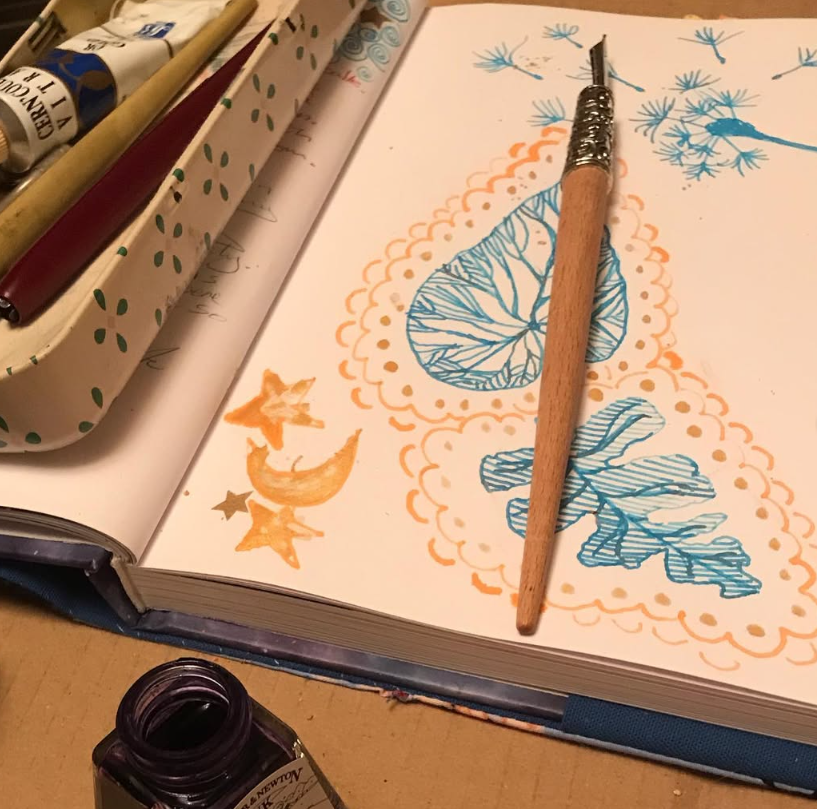
Building skills. Finding balance. Creating change.
Supporting emotional regulation, distress tolerance, mindfulness and healthier relationships, one step at a time.
Dialectical Behaviour Therapy (DBT) offers practical skills and strategies to help us better understand and manage our emotions, navigate difficult situations and develop healthier relationships. These skills can be applied in everyday life, helping us feel more confident, balanced and better equipped to manage life's challenges.
Through learning and practising skills in four key areas: mindfulness, emotion regulation, distress tolerance and interpersonal effectiveness, we can develop new ways of responding to challenging situations, communicating with others and taking care of our emotional wellbeing.
These approaches can be particularly helpful when emotions feel overwhelming, relationships become difficult or everyday situations feel hard to manage.
Accepting where we are, while working towards where we want to be.
Change doesn't happen overnight. It involves learning, practising and gradually building confidence in new ways of thinking, feeling and responding. Through an integrated therapeutic approach, I aim to support you in developing these skills and finding ways to bring them into your everyday life.
The Healing Power of Nature
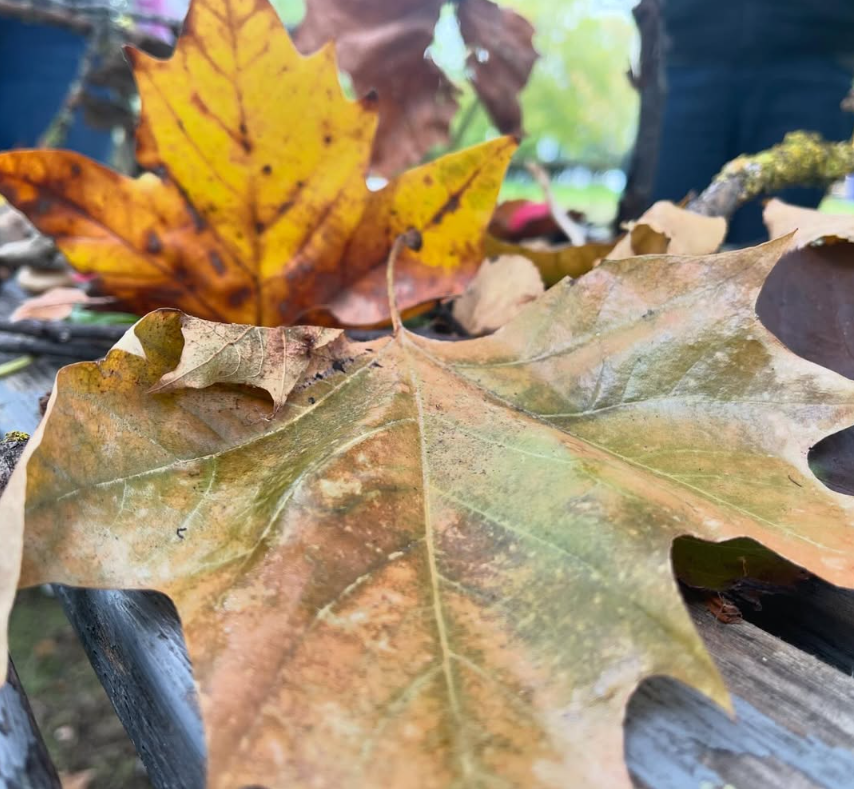
Pause. Reconnect. Explore. Grow.
Spending time in nature can offer an opportunity to slow down, take a breath and reconnect with ourselves and the world around us. It can create space to pause, reflect and gain a fresh perspective.
Nature invites curiosity, creativity and exploration. Through nature-inspired activities and creative experiences, we can begin to explore thoughts and feelings, develop emotional awareness and discover new ways of understanding ourselves and our experiences.
Whether noticing patterns and changes in the natural world, working with natural materials or simply taking time to be outdoors, these experiences can offer meaningful opportunities for reflection, connection and personal growth.
By drawing on the restorative and creative potential of nature, we can nurture emotional wellbeing, strengthen our connection with ourselves and others, and explore new possibilities for positive change.
See patterns. Gain perspective. Create change.
Trauma-Informed

Understanding experiences. Building trust. Supporting recovery.
Traumatic experiences can shape how children and young people see themselves, understand the world around them and develop relationships with others. Experiences such as abuse, neglect, domestic violence, bullying or other frightening or overwhelming events can have a lasting impact on emotional wellbeing, behaviour and development.
The effects of trauma can be experienced in different ways. Some children and young people may experience anxiety, difficulties managing emotions, nightmares, withdrawal, challenges with trust or a heightened sense of alertness and uncertainty.
My approach recognises that behaviour can be a way of communicating feelings, needs and experiences that may be difficult to express through words alone. Rather than focusing on behaviour in isolation, I seek to understand the experiences and emotions that may lie beneath the surface.
Creating a safe, predictable and supportive therapeutic environment is central to my work. I aim to build trusting relationships where children and young people feel listened to, understood and accepted, without judgement or pressure.
Through creative exploration, emotional expression and relationship-based approaches, I support individuals to develop greater emotional awareness, strengthen their ability to regulate emotions, build resilience and gradually develop a greater sense of safety and control.
My aim is to work alongside each individual, recognising their strengths, experiences and needs, and respecting their own pace and journey towards positive change.